
Nutrition
Check out upcoming Nutritional Enrichment Opportunties!

New!
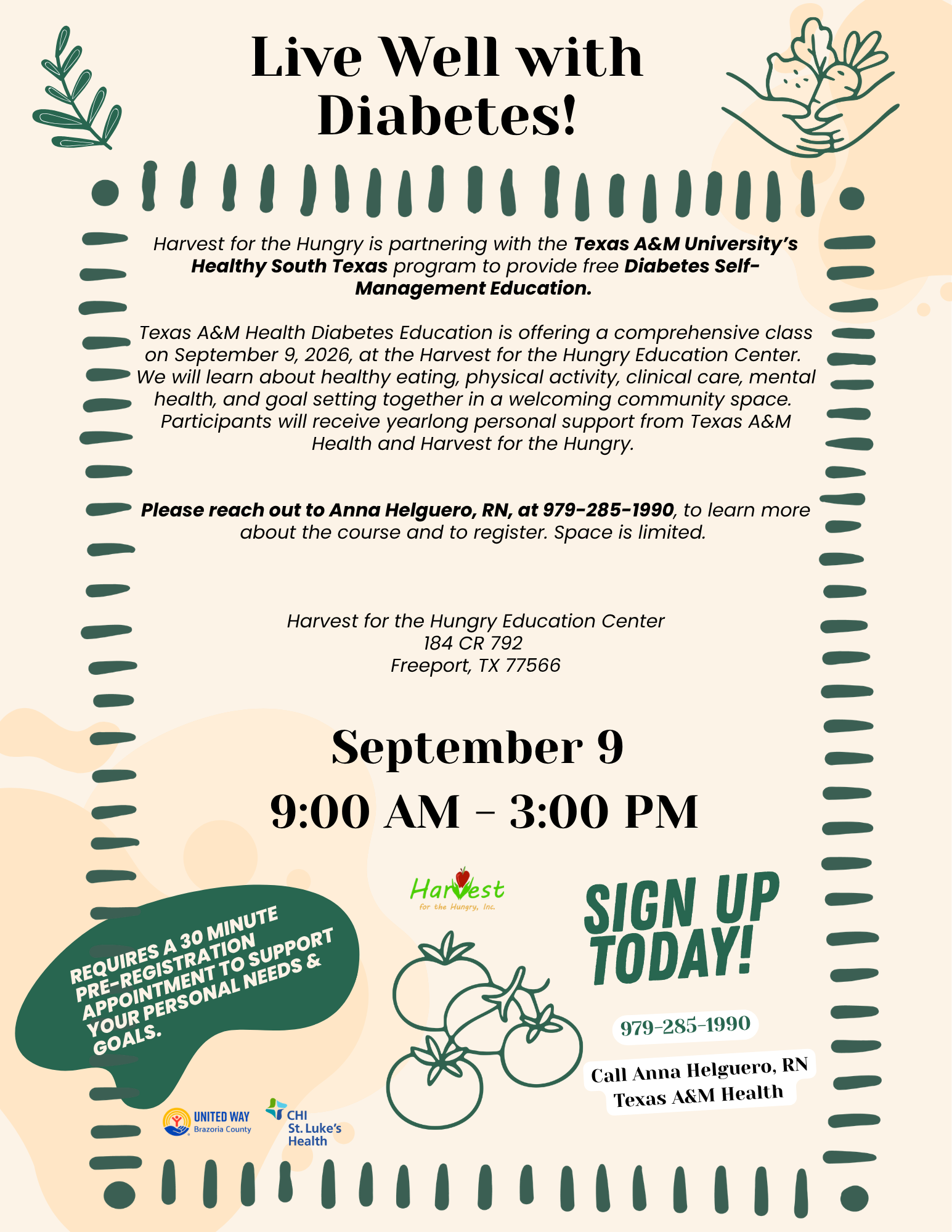
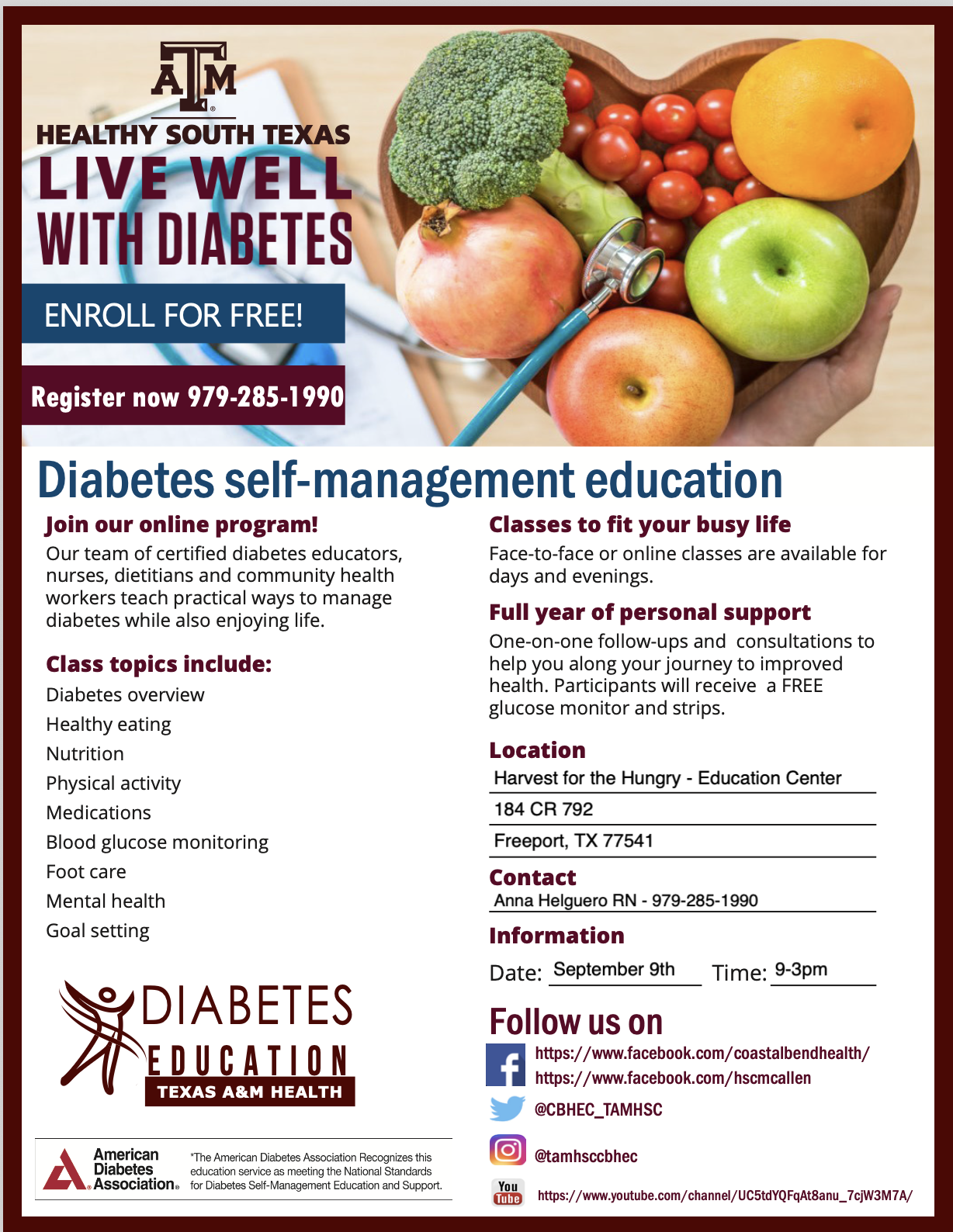

Good food choices start with knowledge of the resources available to you and the education on how to use them.
Explore this page to learn more about good nutrition and the food and nutrition programs available for you and your community.
Farm to Table Nutrition
H4H Healthy Recipes
H4H Healthy Recipes
Baba Ganoush- featuring our farm fresh eggplant!
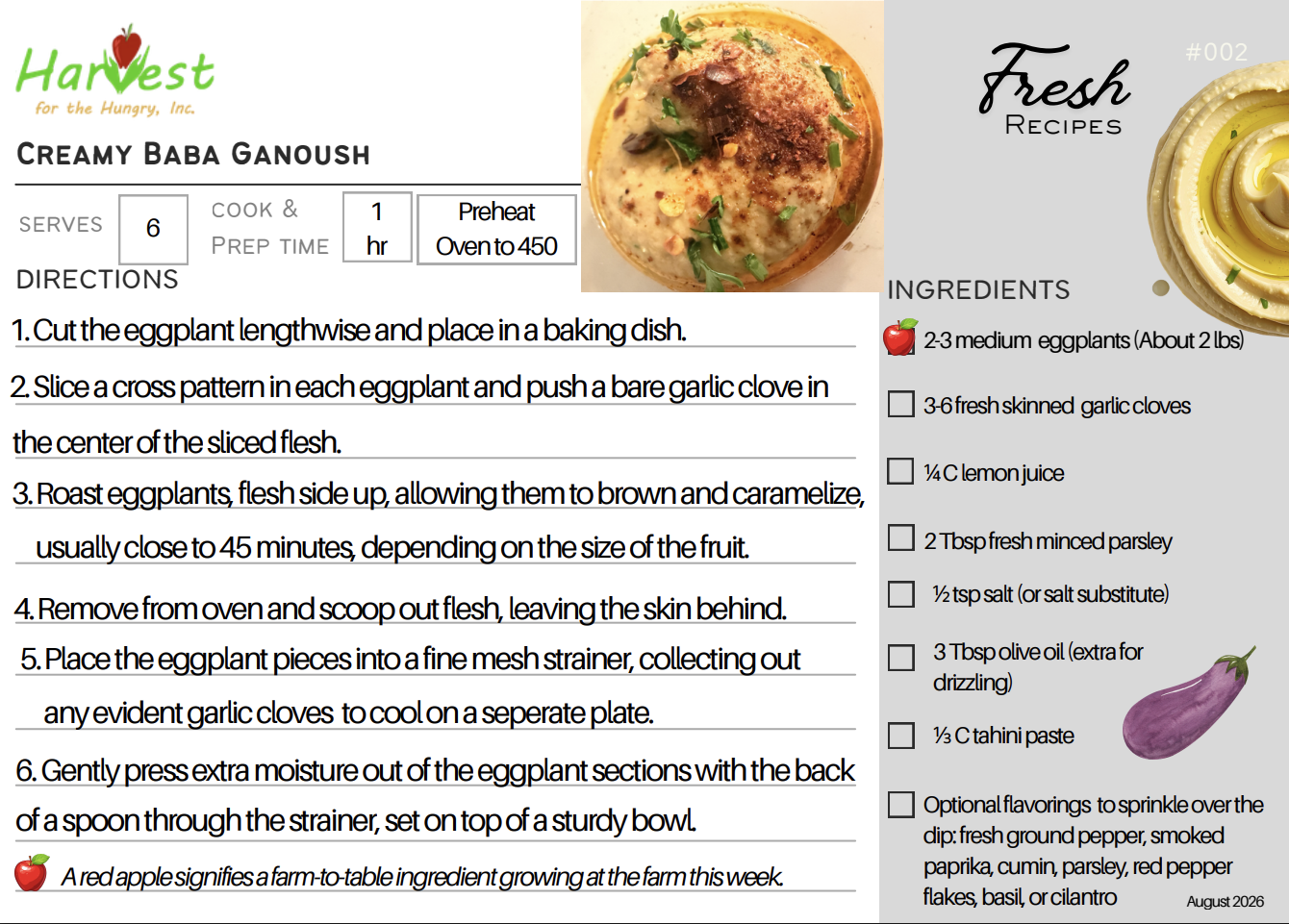
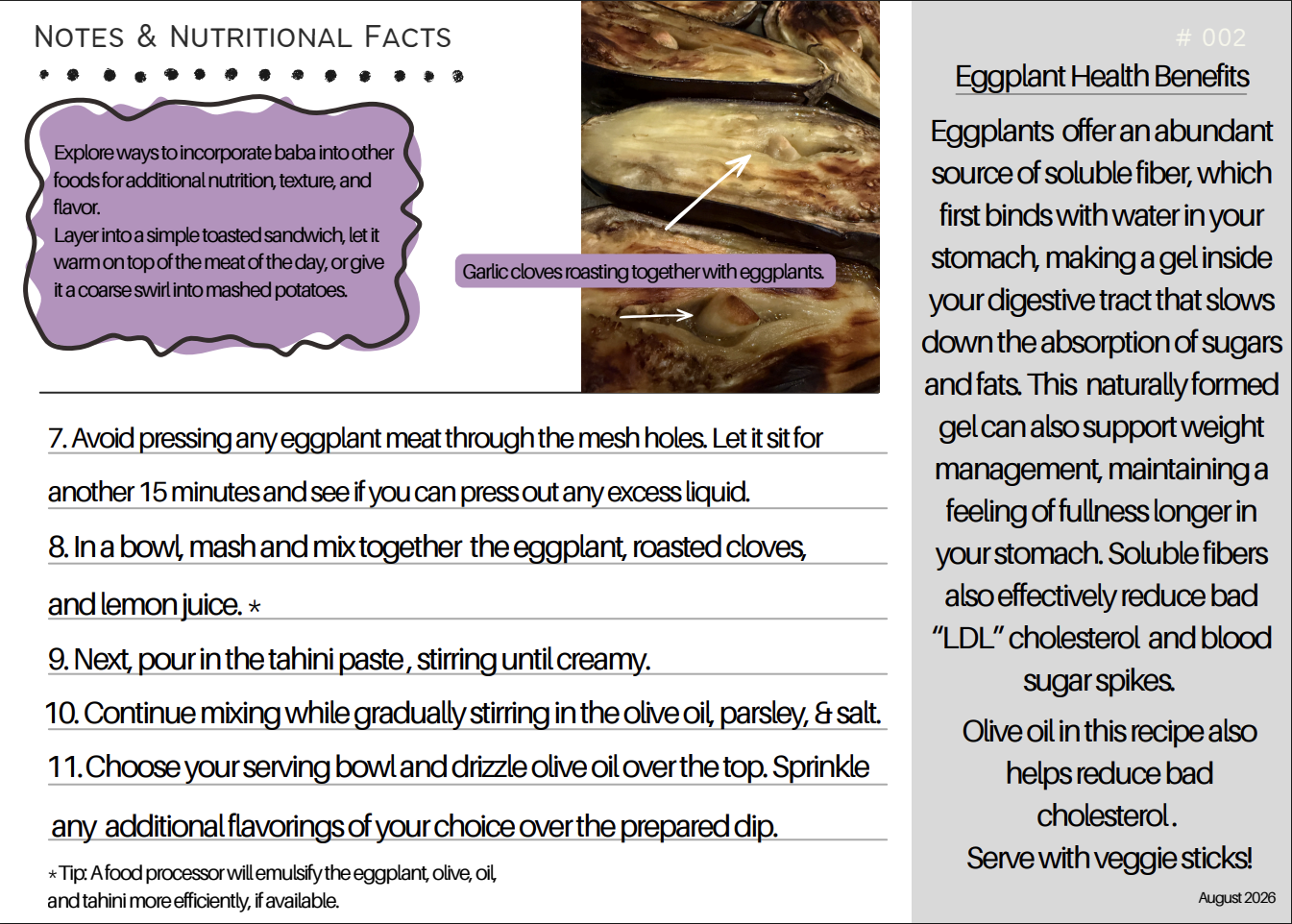
Tahini paste comes from toasted and soaked sesame seeds. Almost 80% of its ingredient base contains good mono- and polyunsaturated fats!
Managing Cholesterol Levels
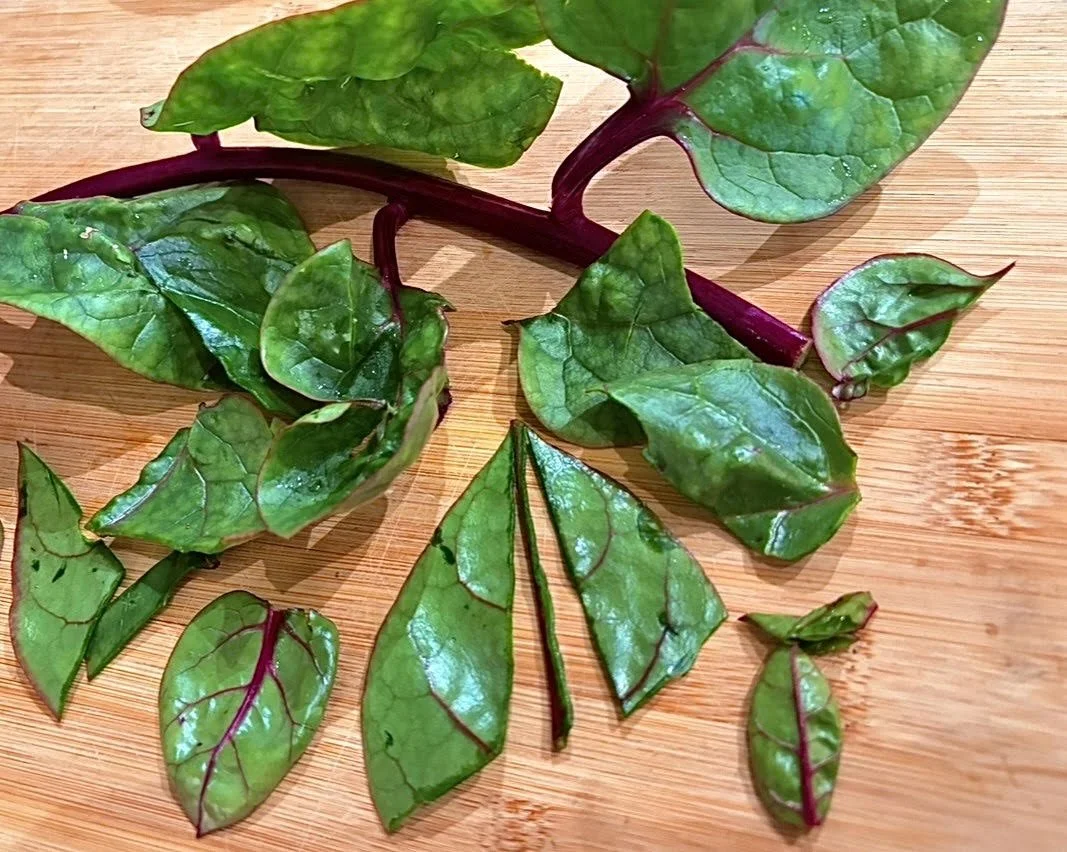
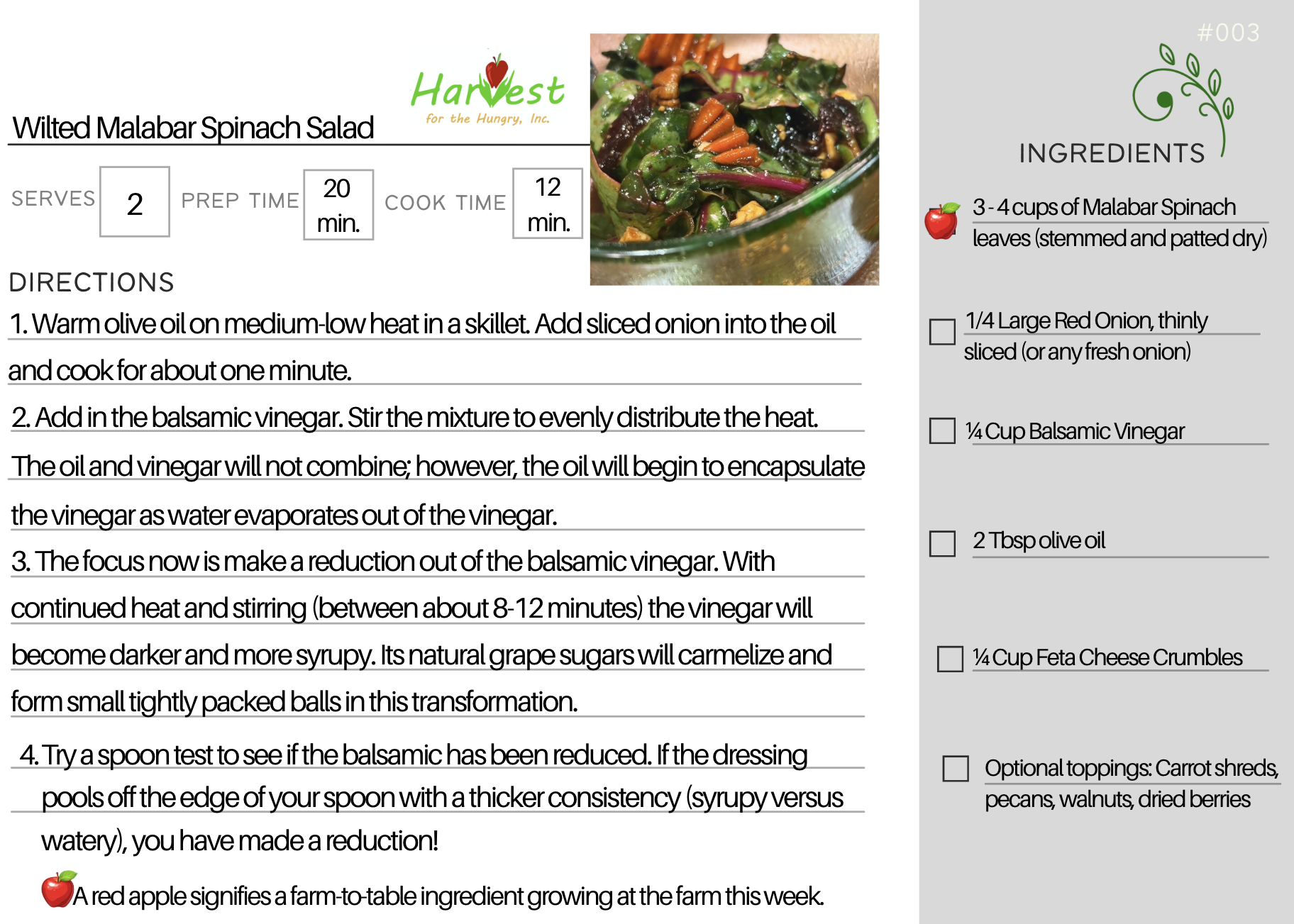
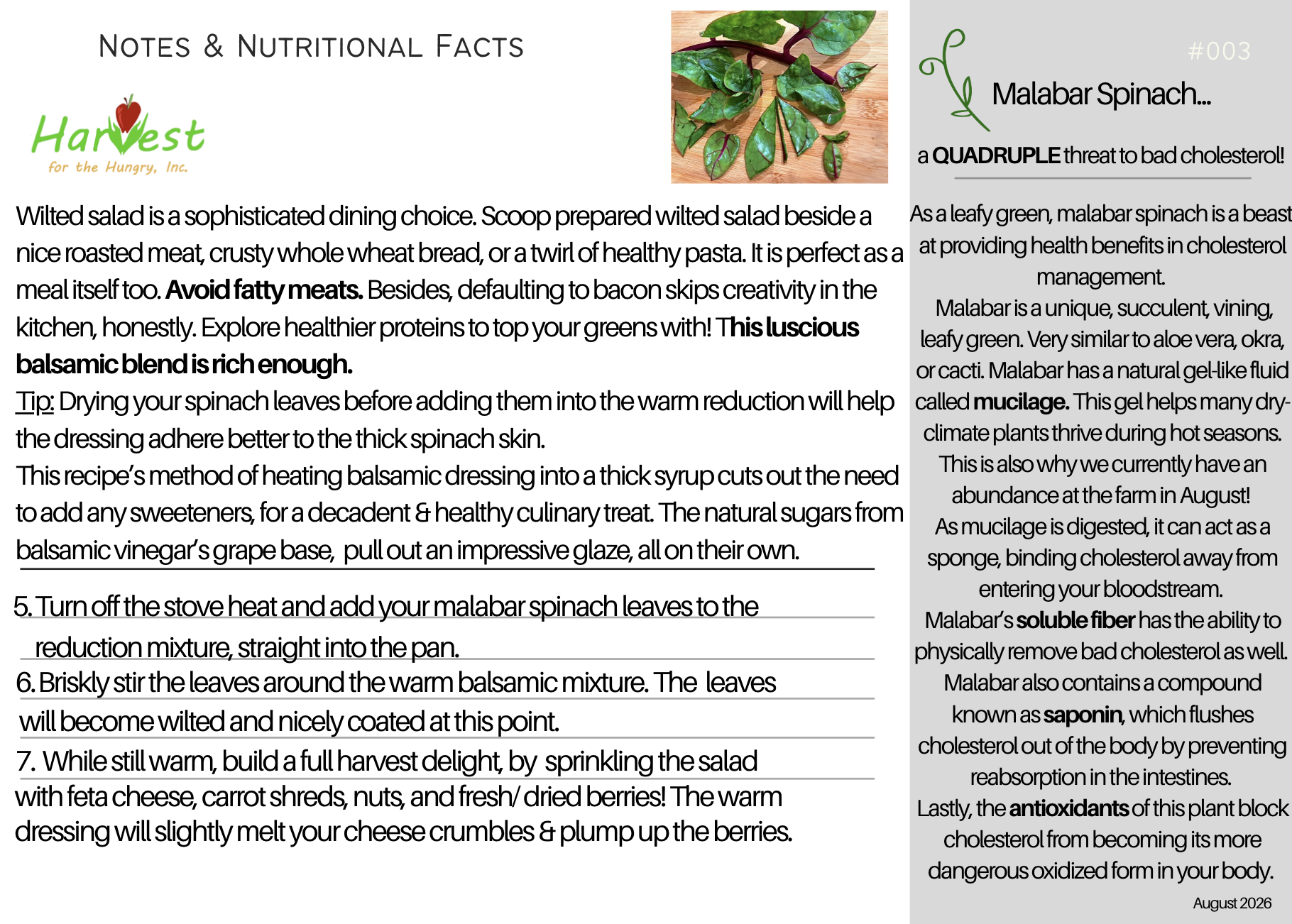
Wilted Malabar Spinach Salad
August’s nutritional theme is understanding ways to manage cholesterol through healthy eating.
Cholesterol is an important and natural lipid compound our body makes for itself. Cholesterol is a precursor for essential hormone production, cell formation, and digestion. Through our diets, we sometimes introduce an excess of cholesterol, especially in unhealthy foods, often ones that are highly processed and loaded with saturated and trans fats. These bad fats come largely from animal fat stores as well as highly processed plant oils, increasing our (bad) LDL cholesterol levels within our cardiovascular system. In excess, LDL cholesterol begins to congregate and settle inside our blood passageways, forming dangerous plaques against our vessel walls. A disease associated with this health problem is known as atherosclerosis, which has damaging consequences, including narrowed blood flow and an increased chance for blood clots, stroke, and heart and kidney disease.
In general, as unhealthy fats are consumed in surplus, they reform into triglyceride molecules, destined for either adipose or liver buildup. Because our body does not have use for these excess fats, they can be absorbed within our own body fat stores, peak inflammation, or, worse, cause heart, pancreatic, and liver disease.
Cardiovascular health management greatly depends on our food choices. Fortunately, good fats behave much differently. Healthy dietary fats demonstrate flexible internal transport, carry dynamic health benefits, and can even reduce or reverse bad fat accumulation in our bodies. We should minimize our consumption of HDL’s, readily found in fatty animal meats and highly processed and fried foods. When we consume more good, HDL fats, as well as soluble fiber, we can combat the accumulation of bad (LDL) cholesterol. HDL fats (high-density lipoproteins) are found in mono- and polyunsaturated foods. Additionally, foods that are rich in omega fatty acids promote the availability of HDL cholesterol in your bloodstream. Good fats can be found in fish, avocados, nuts, olives, legumes, sesame, and sunflower oil. Unsaturated fats can cling to bad fats and transport them to the liver to be processed for elimination. Additionally, plant foods with high soluble fiber naturally form a gel around bad fats once they enter our digestive tract. This gelling action essentially imprisons the LDL’s away from causing further damage, ushering these dangerous molecules through bulk fecal elimination.
Check out our recipes this month that support heart health and good fat consumption. Baba ganoush’s foundation ingredient, eggplant offers a wonderful source of soluble fiber and is blended with two strong healthy fat sidekicks, tahini and olive oil!
Thank you for allowing us to support your goals in healthy living and eating! -Risha Broom, Executive Director
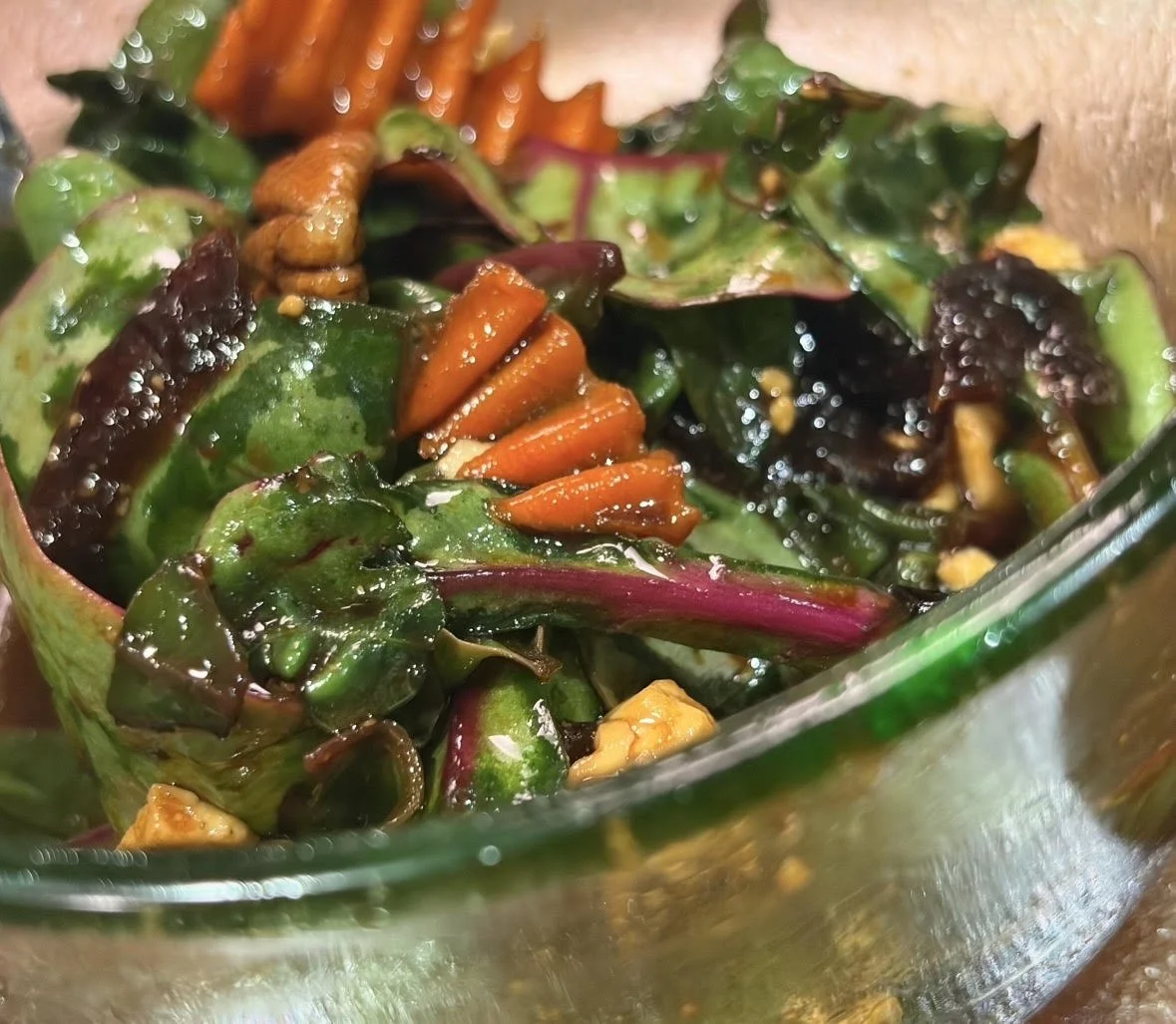
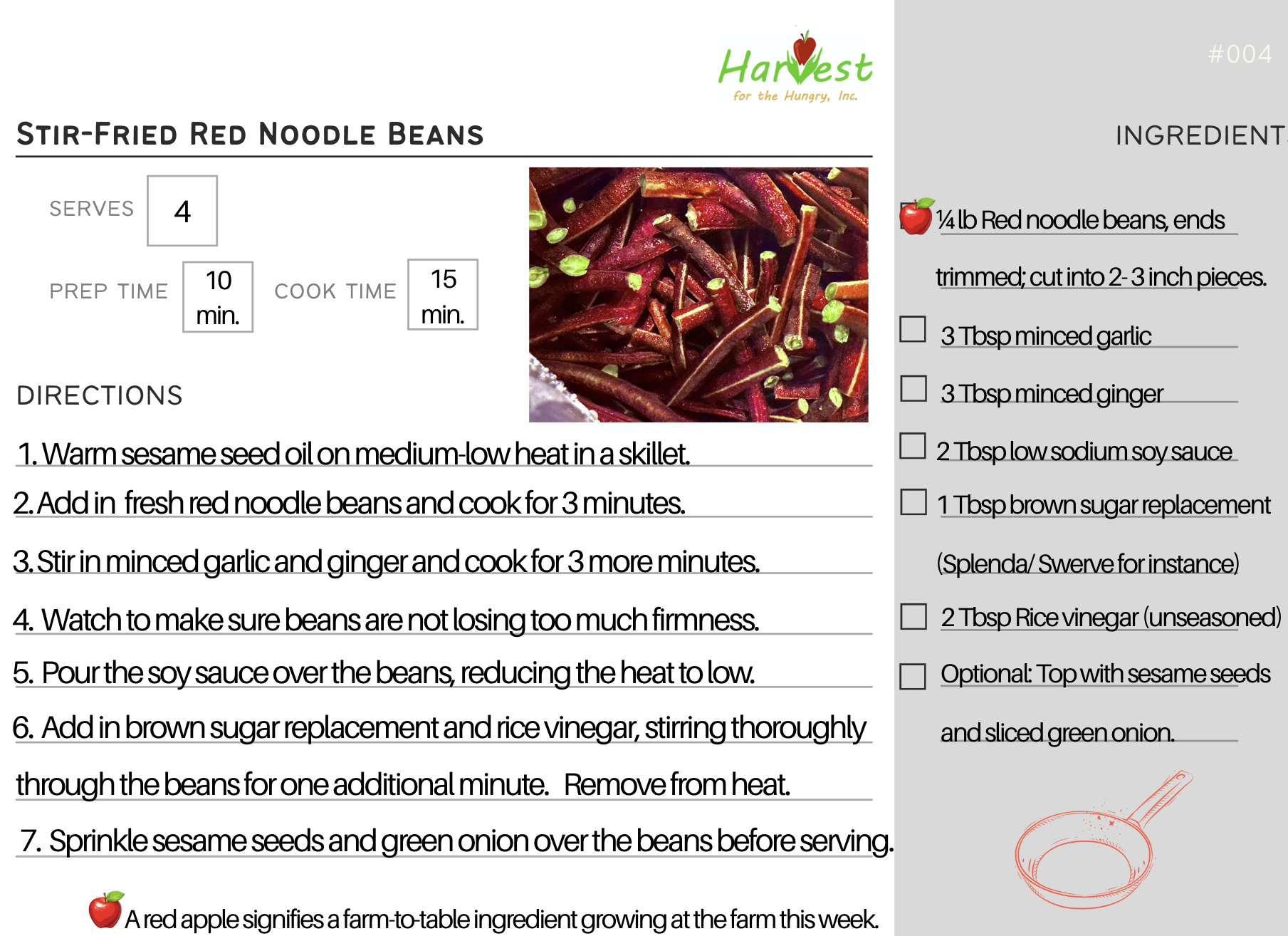
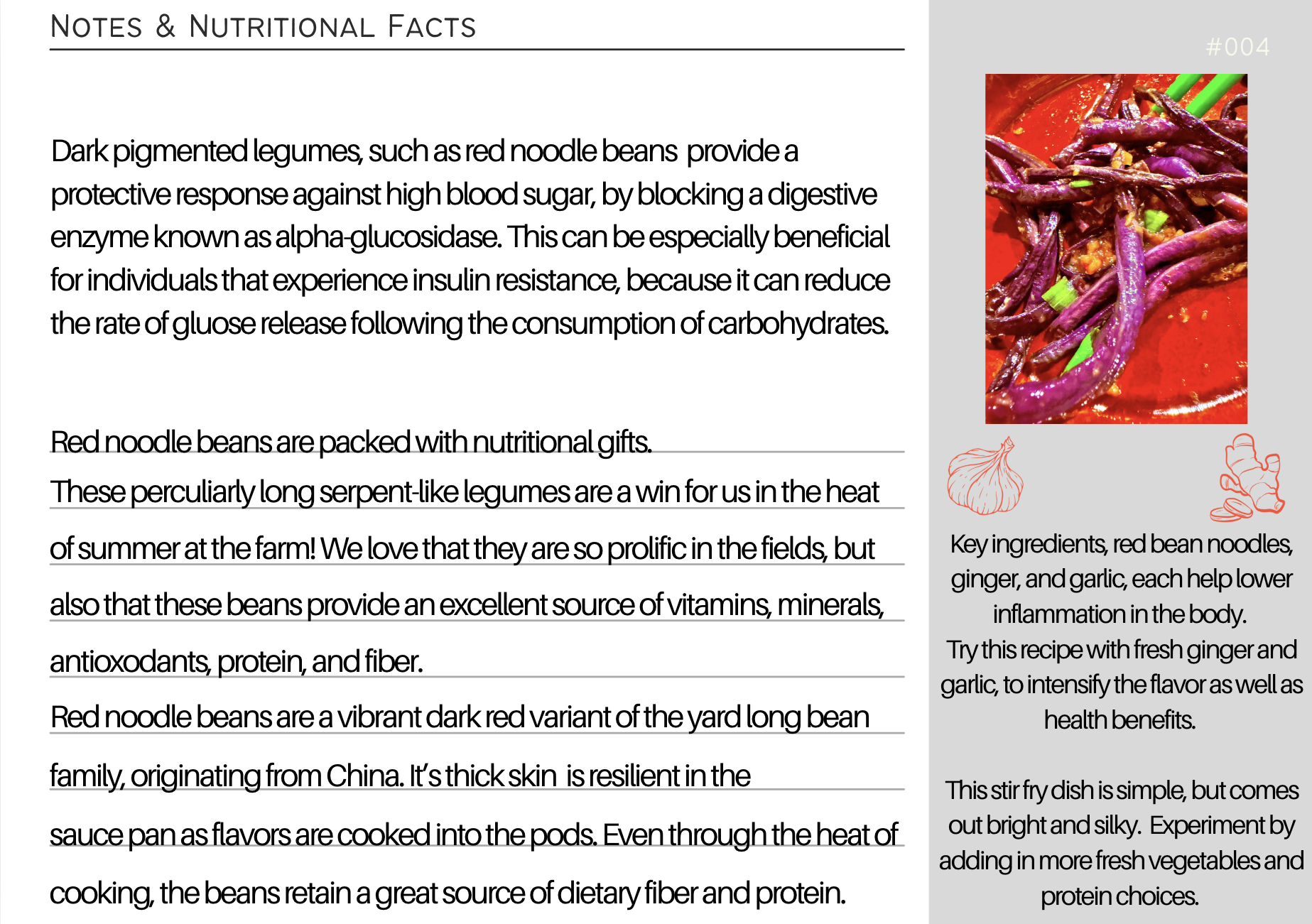
Stir-Fried Red Noodle Beans

Nutrition Education
Click on the boxes below to learn about different nutrition topics.

Cooking Classes
Do you know that Harvest for the Hungry provides cooking classes? This is a great way to increase your knowledge regarding food, nutrition, cooking, and health.

Food and Nutrition Programs
There are many programs provided by the community and government to help you with accessing food and nutrition counseling/education.

Find a Dietitian
Dietitians are nutrition professionals who can provide education and counseling for individuals who want help with their diet and relationship with food. Dietitians can perform medical nutrition therapy and therefore can take insurance. Use the link below to find one near you.

This page was created by Hannah Eddy Nutrition for the use of Harvest for the Hungry.